
(949) 954-8181 Free Case Review No recovery, no fee.
(949) 954-8181 Free Case Review No recovery, no fee.

Same-sex hostile work environment harassment is unlawful under California’s Fair Employment and Housing Act, and it makes no difference whether the harasser is straight, gay, or shares your same sex. If you’re facing this in a Mission Viejo workplace, you can file an intake with the California Civil Rights Department within three years of the last incident. Start by documenting what happened, save any evidence you can, and talk to an employment attorney before that clock runs out.
TL;DR:
- Filing a claim within three years of the last incident is critical, with documentation and evidence collection starting immediately after harassment occurs.
- Employers of any size can face liability for harassment by supervisors, coworkers, or third parties if they knew or should have known about the conduct and failed to act.
- Harassment does not require intent or a motive for a relationship; severe single incidents can suffice for a claim, especially if they make work unbearable.
- Filing with the California Civil Rights Department offers broader protections than federal law, especially for small workplaces with fewer than 15 employees.
- Legal remedies can include back pay, emotional distress damages, punitive damages, and policy changes, with legal support often provided on a contingency fee basis.
California law doesn’t require the harasser to be attracted to you, and it doesn’t matter if the harasser is the same sex as the target. Courts and the California Civil Rights Department treat harassment based on sex, sexual orientation, gender identity, and gender expression as legally equivalent to any other form of sexual harassment. A California appellate ruling confirmed that anti-gay harassment between coworkers qualifies as sexual harassment under FEHA, not some lesser category of workplace friction.
The legal test has two parts. First, you have to subjectively perceive the conduct as abusive. Second, a reasonable person in your position would agree it altered your working conditions. One brutal incident can be enough. You don’t need weeks of repeated conduct if a single act, say a violent slur or a physical assault, is severe enough on its own.
In practice, same-sex hostile work environment claims in Orange County workplaces often involve:
You don’t have to prove the harasser wanted a relationship with you. The statutory language in Government Code §12940 makes clear that harassment doesn’t require any loss of tangible job benefits, and the motive behind it is legally irrelevant. What matters is whether the conduct made your job intolerable.
FEHA is the primary shield for Mission Viejo employees, and it’s broader than most people assume. Government Code §12940 makes it unlawful to harass or discriminate against employees based on sex, sexual orientation, gender identity, and gender expression, and it applies to harassment claims at employers of any size. Title VII of the federal Civil Rights Act covers similar ground but only kicks in once an employer has 15 or more employees, which leaves a real gap for people working at small Mission Viejo businesses.
Here’s where the two laws diverge in ways that matter for your case:
California also requires something federal law doesn’t universally mandate at this scale: employers with five or more employees must provide sexual harassment prevention training, with at least two hours for supervisors and one hour for nonsupervisory staff, repeated on a set schedule. If your employer skipped this training, that gap can become evidence in your case that the company wasn’t taking harassment prevention seriously.
For most Mission Viejo employees, filing under FEHA with the CRD makes more sense than going federal first, especially at smaller companies where Title VII simply doesn’t apply. An attorney can help you decide whether dual filing or a state-only claim better protects your damages.
Liability in these cases isn’t limited to the person who said or did the harassing thing. California law spreads responsibility across several parties, and employers often carry the heaviest burden regardless of who committed the actual conduct.
Once an employer is on notice, the obligations kick in fast: launch a prompt investigation, take corrective action proportional to the conduct (a warning, transfer, suspension, or termination), and update training or policy where gaps show up. Retaliating against you for reporting is illegal on its own, a separate claim layered on top of the harassment itself.
The strength of a hostile work environment claim usually comes down to what you wrote down and saved, not what you remember months later. Start an incident log the day something happens, even if you’re unsure yet whether you’ll file.
Each entry should capture:
A sample entry might read: “March 4, 2026, 2:15 PM, breakroom. [Coworker] said [exact quote] in front of [witness name, title]. I told him to stop. Reported to HR via email same day, no response yet.”
For electronic evidence, forward harassing emails to a personal account, screenshot text messages and social media posts with visible timestamps, and never delete anything even if it’s upsetting to look at. If a coworker’s statement matters, ask them directly what they saw and whether they’d be willing to describe it in writing, then save their response.

Be careful with employer-owned devices and accounts; accessing systems you’re not authorized to use can create problems even in a legitimate claim.
Pro Tip: Write your notes the same day the incident happens, even a quick paragraph in your phone’s notes app. Contemporaneous records carry far more weight with the CRD and in court than a detailed memory reconstructed six months later.
Filing a complaint with the California Civil Rights Department starts the legal clock that eventually lets you sue. Here’s the practical path:
The CRD confirms that employment intake must be submitted within three years of the date you were last harmed, and the agency typically has up to a year afterward to investigate before deciding whether to act.
CRD intake commonly asks for your employer’s name and address, the names of anyone involved, dates of specific incidents, and any documents supporting your account. You can start the intake process even before you have everything gathered, since the system holds unfiled complaints for a short period so you can add details or witnesses later.
Compensation in a same-sex hostile work environment case depends heavily on the specifics, but the categories of recovery are fairly consistent across claims.
FEHA also allows recovery of attorney fees for a successful claim, which is part of why most employee-side firms, including Optimum Employment Lawyers, work on contingency: you don’t pay upfront, and the fee comes from the settlement or judgment rather than your pocket.
Timelines vary. Some cases resolve through negotiated settlement within months of filing; others move through the full CRD investigation and into litigation, which can stretch well over a year. Settlement value often turns on the severity and duration of the conduct, whether the employer investigated properly, and how well the incident was documented from day one.
Optimum Employment Lawyers represents employees exclusively, never employers, across hostile work environment, sexual harassment, discrimination, and retaliation claims throughout Orange County. The firm works on contingency, so there’s no upfront cost to have your case reviewed.
What sets the approach apart:
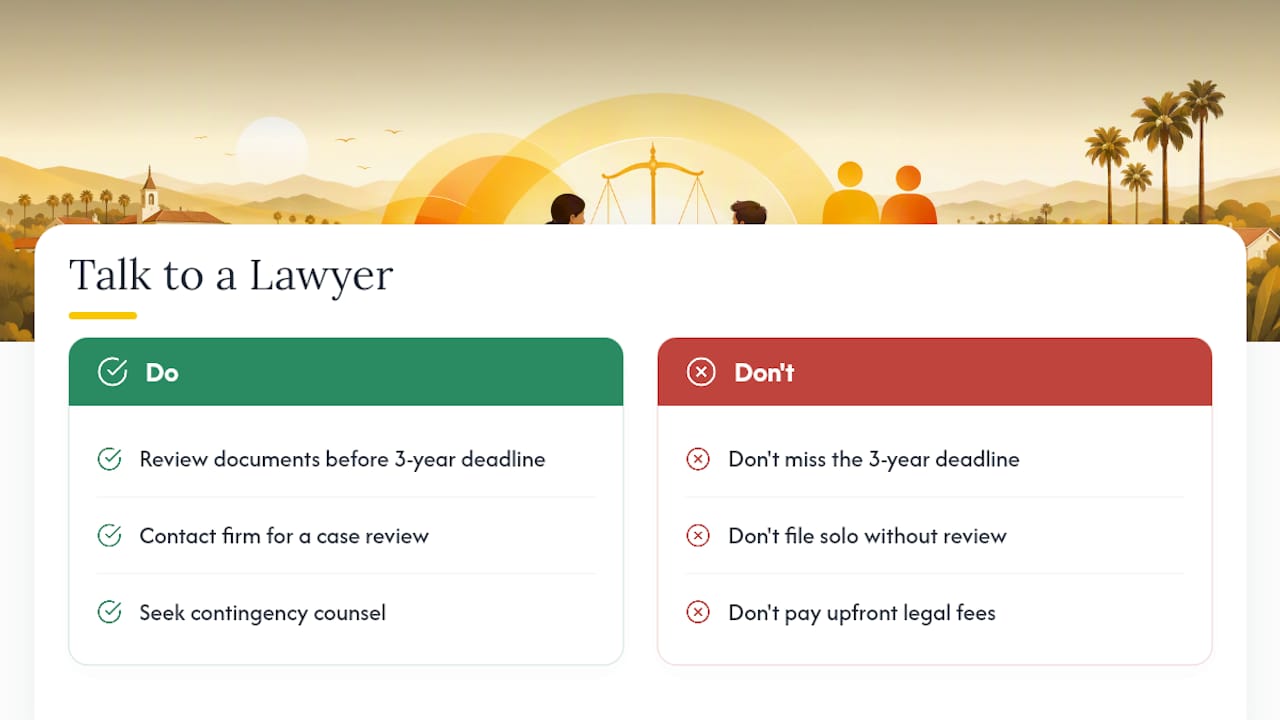
If you’re dealing with same-sex harassment at work in Mission Viejo, a free case review is the fastest way to find out where you stand before the three-year filing window closes.
Filing on your own with the CRD is possible, but building the kind of record that actually wins a case, or gets a fair settlement offer before trial, is a different task entirely. Optimum Employment Lawyers handles same-sex hostile work environment claims for Mission Viejo employees on contingency, meaning legal fees come out of what you recover, not your paycheck while the case is pending. That structure matters most for people who can’t afford to front costs while their employer has an entire legal department on retainer.
The firm’s gender and sexual orientation discrimination practice focuses entirely on the employee side, which means no conflicts of interest and no divided loyalties. If you’re weighing whether your situation meets the legal threshold, or you just want someone to review your documentation before the three-year deadline closes, contact Optimum Employment Lawyers for a case review and find out what your options actually look like.
This article is general information, not a substitute for advice from a qualified lawyer. Consult a qualified legal professional about your own circumstances before acting on anything here.
For the most current forms, deadlines, and contact numbers, go straight to the agencies that enforce these laws. The CRD’s employment page covers protected categories and training rules, the complaint process page walks through intake and Right-to-Sue steps, and the Ca explains the agency’s broader role. Statutory language sits in Government Code §12940.

© 2026 Optimum Employment Lawyers, PC
Legal Disclaimer | Privacy Policy
 Share
Share
